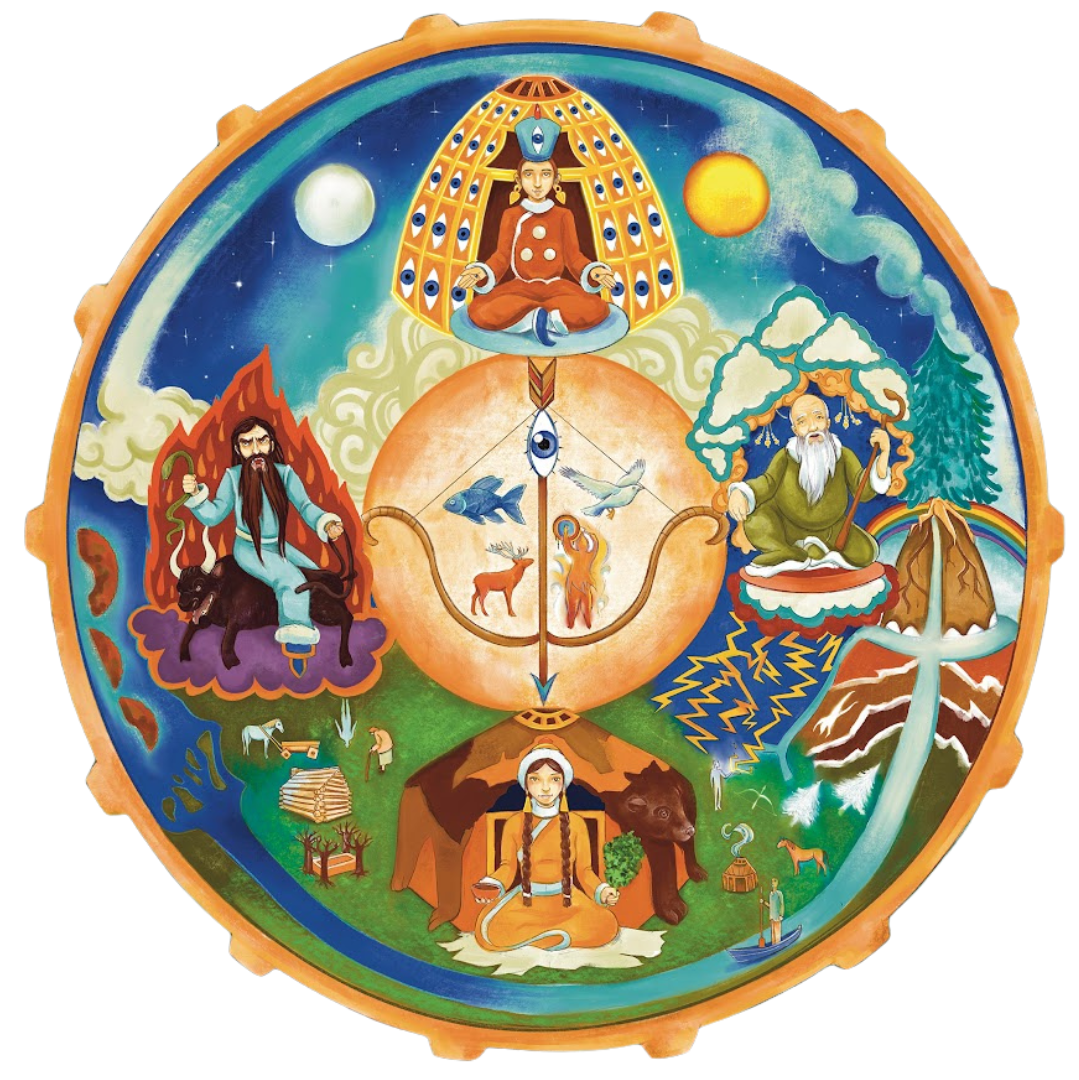

Part II of How a Life Really Changes
You can make the courageous decision, leave what was hurting you and still rebuild the same life somewhere else. The new relationship has another face, the new job has another name and the new project begins with a completely different energy, but slowly the same conflicts return. The circumstances changed. Something underneath them did not.
In You Know It’s Over. Why Are You Still Carrying It?, we explored why we continue carrying relationships, jobs, identities and old dynamics after we know they have finished. We looked at the guilt surrounding endings, the fear of interpreting them as failure and the energy required to keep something present when its life has already gone.
But recognizing the ending and finally letting go is only the first movement. What comes afterwards is less visible and, for many of us, more difficult.
You no longer have what you left behind, but the new direction has not appeared. There is no relationship replacing the old one, no clear project and no new version of you waiting with all the answers. The structure that used to organize your life is gone, and for a period of time there may be nothing solid to take its place.
This is the silence between lives. And because we do not understand what this silence is doing, we often escape before it has given us what we need.
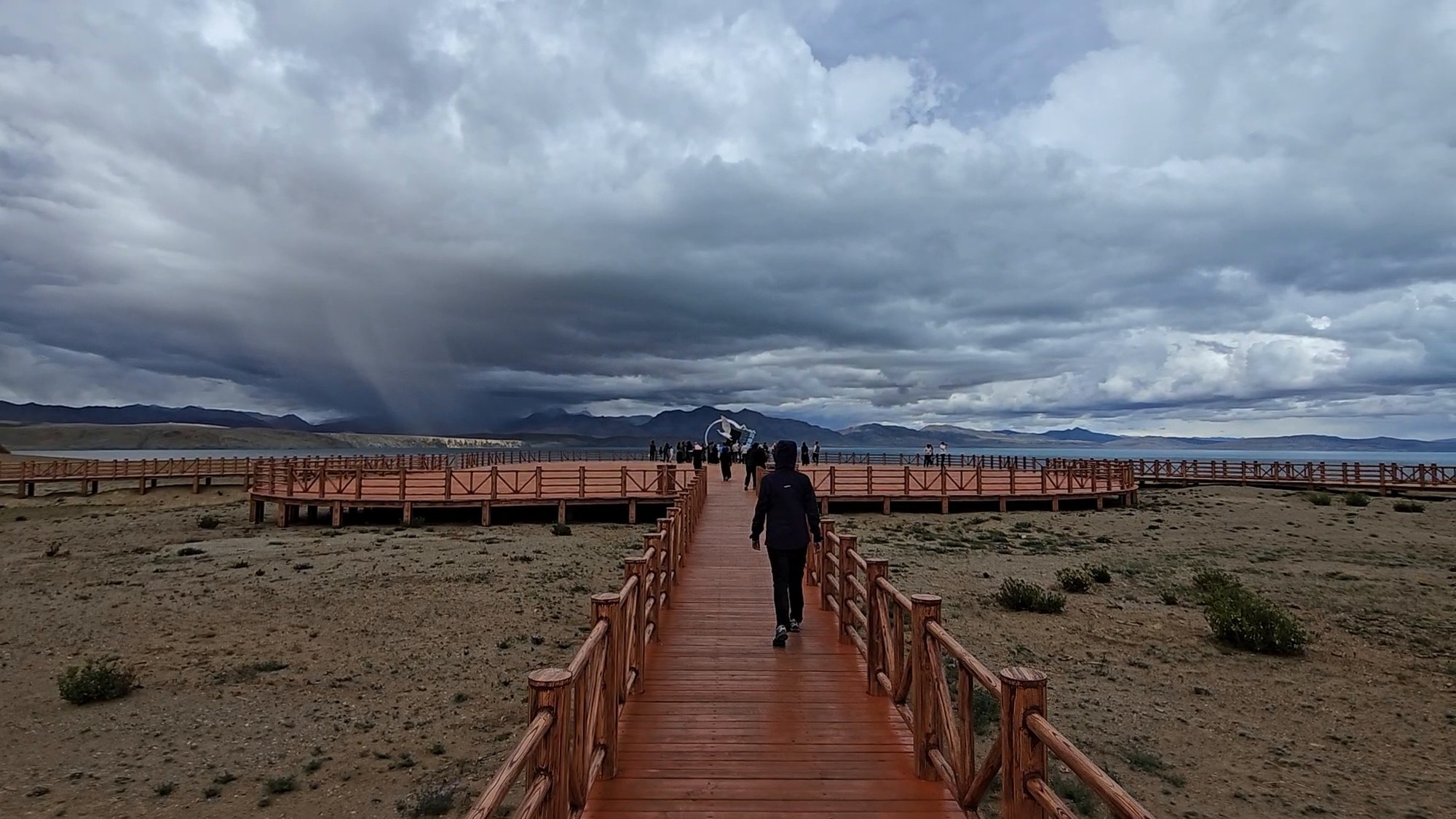
We are very good at filling the space
There is something about silence that scares us. This is why we fill every small silence with a phone, a conversation, music, information or some kind of movement. Staying still for a few minutes can already be uncomfortable because, when the noise disappears, we begin feeling what the noise was helping us avoid.
The same thing happens with the larger silences in our lives.
A relationship ends and we quickly look for another person. We leave a job and immediately need the next professional identity. A project collapses and, before understanding what happened, we create a new one. We lose a social group, a home or a way of living, and the mind begins constructing replacements because an empty space feels like evidence that something is wrong.
We tell ourselves that we are moving forward. Sometimes we are. But sometimes all this movement is simply a sophisticated way of refusing to remain where we are.
The old has gone and the new is not here. For a while, we do not know who we are without the role, the relationship or the structure we just left. And we do not know how to be nobody in between.
A new person, the same relationship
You can leave one relationship and carry its emotional architecture directly into the next. The new person has another history and another way of speaking, but slowly you begin protecting yourself in the same way, asking for love in the same way and creating the same distance you thought you had escaped.
This does not happen because you are stupid or because you secretly want to suffer. It can happen because you moved from one chapter to the next without giving the transition enough space to affect you. You removed the old form, but never stayed long enough to meet the fear, belief or identity that helped create it.
So you enter the next relationship still frightened of abandonment. You choose the next job still trying to prove your value. You build the next project from the same hunger for recognition. Everything looks new at the beginning, but the person choosing it has not had time to hear what the ending was trying to reveal.
Sometimes we repeat the pattern not because we failed to let go, but because we never allowed the silence to complete the process.
Letting go changes the circumstances. The silence that follows has the possibility to change the person who will choose what comes next.
This is why escaping the silence matters. It is not a punishment or an empty corridor that we must cross as quickly as possible. It is part of the transition.
The bardo between the old and the new
In the Tibetan tradition, the word bardo refers to an intermediate state, a passage between one condition and another. We often associate these teachings with death, but they can also offer a powerful map for the smaller deaths and rebirths that happen throughout a human life.
A relationship ends. An identity falls apart. A period of certainty disappears. Something that used to define us no longer exists, but what will define the next chapter has not taken shape. This is a bardo.
The mind wants to turn it into a problem and solve it immediately. It wants a new plan, a name and a guarantee. It wants to know where we are going before we have fully left where we came from.
But this demand for certainty can become another way of holding on. We try to design the new life using the desires, wounds and assumptions of the old one. Then we are surprised when the future begins to resemble the past.
The bardo asks for something else. It asks us to remain present while the familiar identity becomes less solid, to feel without immediately converting every emotion into action and to allow the old movement to lose some of its force before we choose again.
This is not passive. It can require much more courage than constant action.
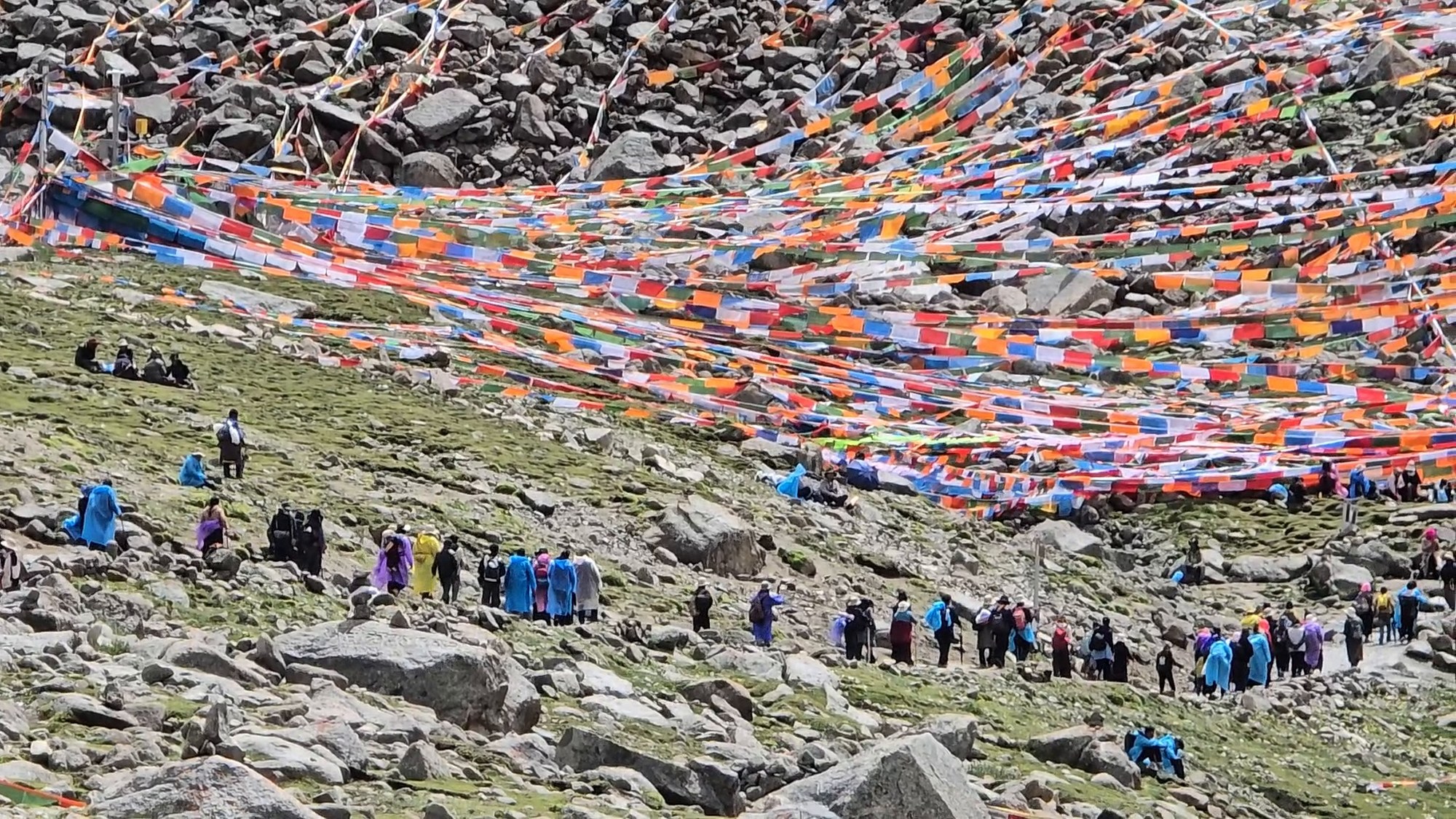
The silence is not empty
When external movement stops, internal material begins to rise. Grief that did not have space. Anger we considered unacceptable. Fear hidden underneath control. Relief we feel guilty for experiencing. There may also be tenderness, unexpected memories and the recognition that we have known the truth for much longer than we admitted.
This is why the silence feels intense. It is not empty.
Underneath these emotions, something else can begin to appear: clarity. Not necessarily a perfect answer or a complete vision of the future, but a cleaner sense of what we can no longer betray, what we do not want to recreate and what kind of life would feel more honest.
If we fill the silence too quickly, we may miss this information. The emotion does not simply disappear; it follows us. The belief does not dissolve; it chooses again. The old identity changes its clothes and walks into the next chapter with us.
But when we stay, when we allow ourselves to feel what was waiting beneath the noise, the grip of the pattern can begin to loosen. We start seeing the difference between what we genuinely desire and what we reach for only because it is familiar.
If you named something at the end of Part I, ask yourself another question now: what are you afraid will happen in the space after you release it? Are you afraid of loneliness, financial uncertainty, regret, disappointing somebody or discovering that you do not know what you want?
Do not use the question to frighten yourself. Use it to see what is actually holding the old structure in place.
Why ordinary life makes transition difficult
This kind of transition can be difficult to complete inside ordinary life. The messages continue, the responsibilities remain and every familiar environment invites you to become the person you were yesterday. You return to the same rooms, conversations and routines, and before anything deeper can move, the old identity is active again.
Sometimes we need to step outside that structure for long enough to hear what cannot compete with the normal noise.
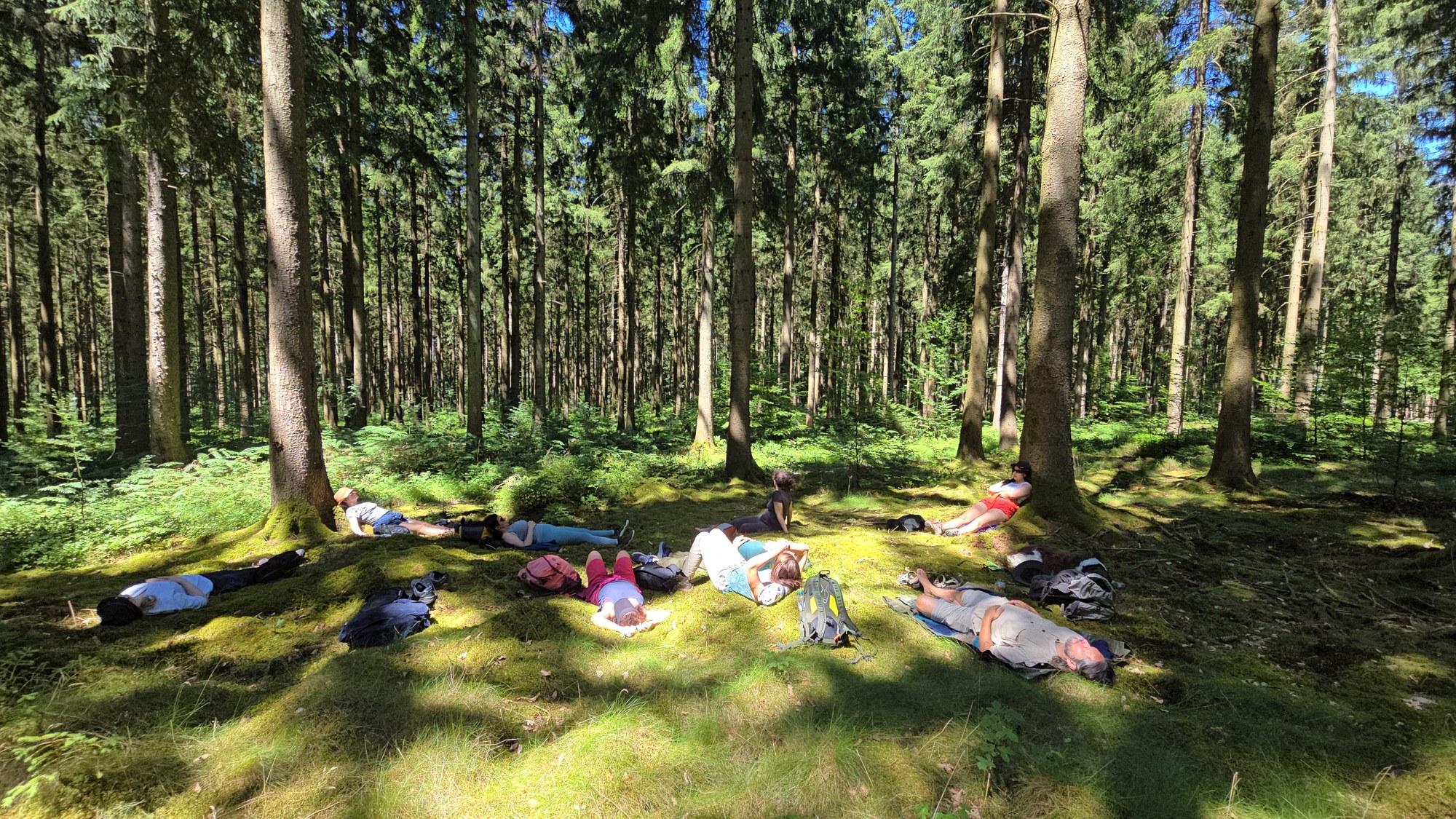
This is one of the reasons retreats exist. Not because somebody else can make the decision for you or manufacture a new life in four days, but because a different environment can protect the silence long enough for you to stop reacting automatically. When the normal roles become quieter, you have a chance to notice what remains.
Nature helps because it does not demand an immediate answer. A small group allows intimacy without disappearing into a crowd. Meditation and ceremony give form to experiences that are difficult to approach only through thinking. Rest and excursions keep the process connected to the body, so the retreat does not become four days of exhausting analysis.
The environment does not perform the transition for you. It gives you conditions in which you may finally stop interrupting it.
Staying does not mean getting stuck
Remaining in the silence does not mean withdrawing from life forever, abandoning responsibility or waiting passively for the universe to make every decision.
You still take care of your body. You speak to the people who need to hear the truth. You manage the practical consequences of the ending. You ask for support when you need it. Depending on the situation, you may need therapy, guidance, rest, difficult conversations or a concrete plan.
The difference is that you do not use action to silence the experience.
You allow a period in which you do not know. You notice the impulse to fill the space and ask what is driving it. You give grief time to move through the body. You listen to what becomes clearer when there is nobody to impress and nothing immediate to secure.
Slowly, the silence changes. What initially felt like emptiness begins to feel like space, and that space is where another choice becomes possible.
The new cannot be forced into existence
We often want transformation to behave like a business plan. First we end the old situation, then we define the new one, and immediately everything begins moving in the correct direction.
Life is rarely so obedient.
The new may first appear as a small refusal: “I cannot live like that again.” Later it may become a curiosity, an image, a conversation or an opportunity we would previously have ignored. It may arrive as a stronger boundary, a different kind of attraction or a direction that does not yet make complete sense.
You do not need to manufacture it before it is ready. Your work is to become available enough to recognize it.
Nature does not replace every fallen leaf the following morning. Autumn releases. Winter creates silence. What looks empty from outside is preparing a movement that cannot be rushed.
We belong to the same nature, although we often behave as if our transitions should happen without seasons.
The complete movement
A real transition contains three movements. First, we recognize and release what has finished. Then we cross the silence without running back or desperately filling it. Finally, we begin opening to what wants to take form.
Each movement asks for a different kind of courage. Letting go asks us to stop pretending. The silence asks us to remain present without guarantees. Opening asks us to meet the new without demanding that it resemble what we already understand.
When we skip one of these movements, the transition can remain incomplete. We may physically leave while emotionally holding on. We may release the past but rebuild it immediately. Or we may become so comfortable in the silence that we refuse to risk opening again.
The purpose is not to remain between lives forever. The purpose is to cross consciously enough that the next choice does not come entirely from the old fear.
The Sound of Silence
This complete journey is the heart of our November retreat, The Sound of Silence.
From 19 to 22 November, Monika and I will gather with a small group of ten people in the forests of the Belgian Ardennes. We will work with the teachings of the Tibetan Bardos not only as ideas, but as a living map for the transitions happening in our own lives.
The four days create enough time for the normal speed of life to settle. Nature gives us a direct experience of release and change. The small group protects intimacy and allows us to work without becoming invisible inside a crowd. Meditation and ceremony help us remain with what appears, while excursions and rest give the body time to integrate what the mind is beginning to understand.
There will be space to recognize what has ended, to feel what appears when the usual noise stops and to listen before deciding what must come next.
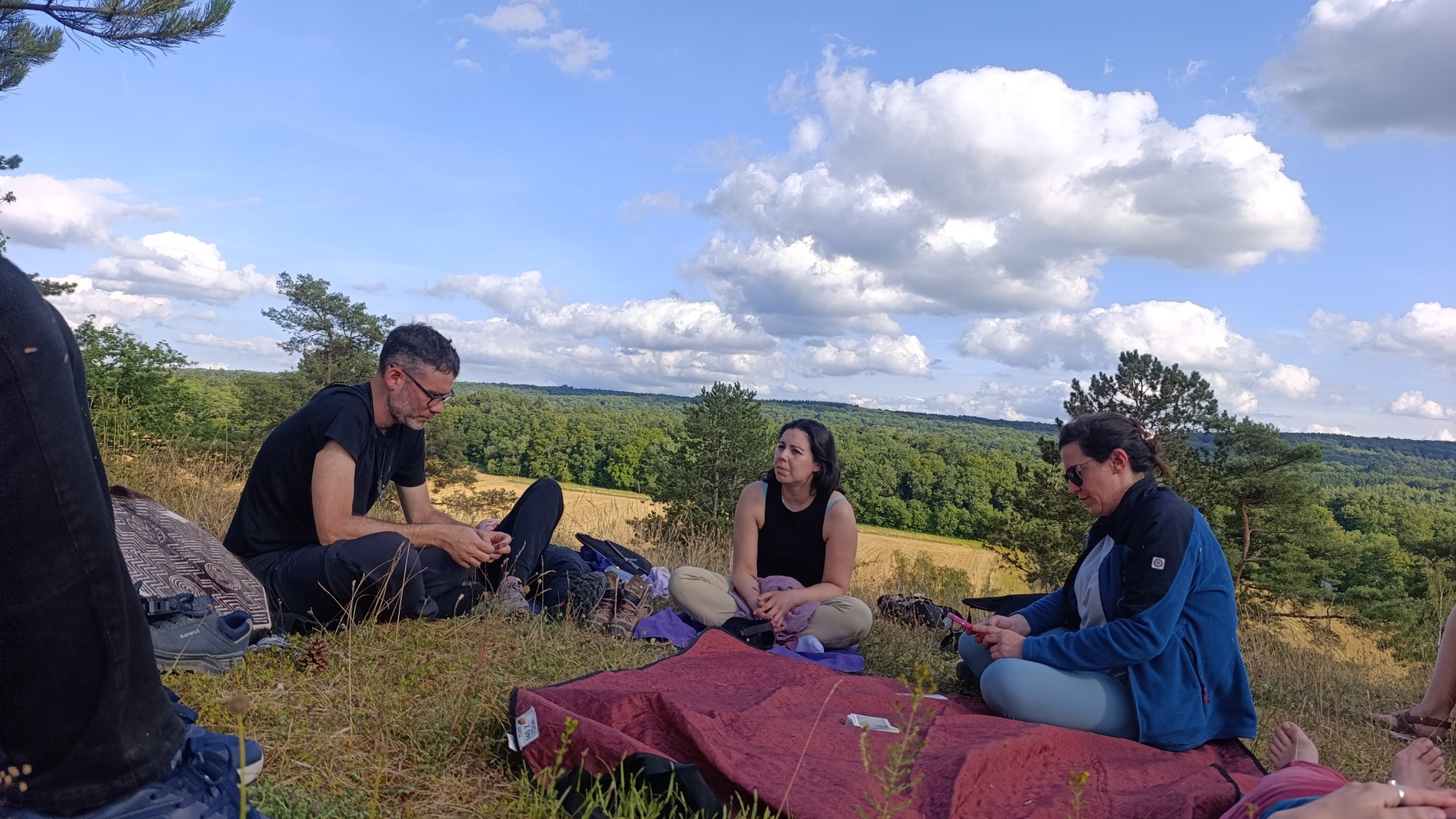
A retreat cannot make your decisions for you, and it cannot promise what the next chapter will look like. What it can offer is a rare environment in which you do not need to escape the transition. You have time, nature, practices, support and other human beings walking through the same territory.
If you are standing between something that has ended and something you cannot see yet, I invite you to explore The Sound of Silence. Read the full retreat details, see what the four days include and decide whether this is the space you need for your transition.
You may not need another answer forced from the mind. You may need enough silence to hear what is already beginning.
The Sound of Silence · Belgian Ardennes · 19–22 November
A four-day retreat for letting go, crossing the silence and opening to what comes next.